
Many workspace decisions get made on price and square footage, and those matter. We think the walk-in time matters too. It adds up and becomes part of your day. Board members feel it, volunteers feel it, busy people feel it. Every meeting, every guest, every morning you arrive late and have to find a parking garage, swipe an elevator, badge through three doors, and then keep walking. That adds up.
This page documents the walk from a Boise Main parking spot to our private conference room. It is one video, a frame-by-frame breakdown, and an ongoing conversation about why the answer to 'how long does it take' is more important than it sounds.
Below is the actual walk from the parking lot to the Dutch Oven Conference Room. No edits, no cuts, no acceleration. The timer overlay on the right shows real-time elapsed seconds; you can hide it if you would rather watch without the running count.
Same walk as an animated GIF. Useful where MP4 is not supported, or for previews and email signatures.
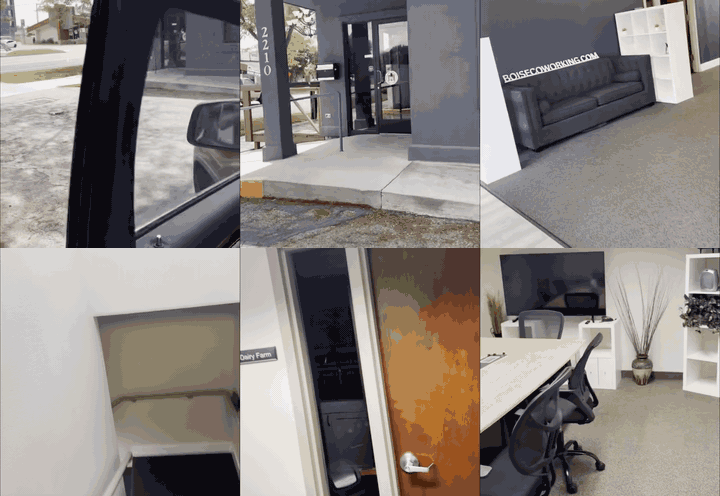
The walk breaks into a handful of distinct moments. Each one is a small decision a workspace makes for you: how the parking is laid out, where the entrance lives, what you pass through, how many doors are between you and a chair. None of it feels important on its own. All of it is what 'less than a minute' actually means.
Between each named moment is a strip of every-second thumbnails. Hover any one to see the timestamp.
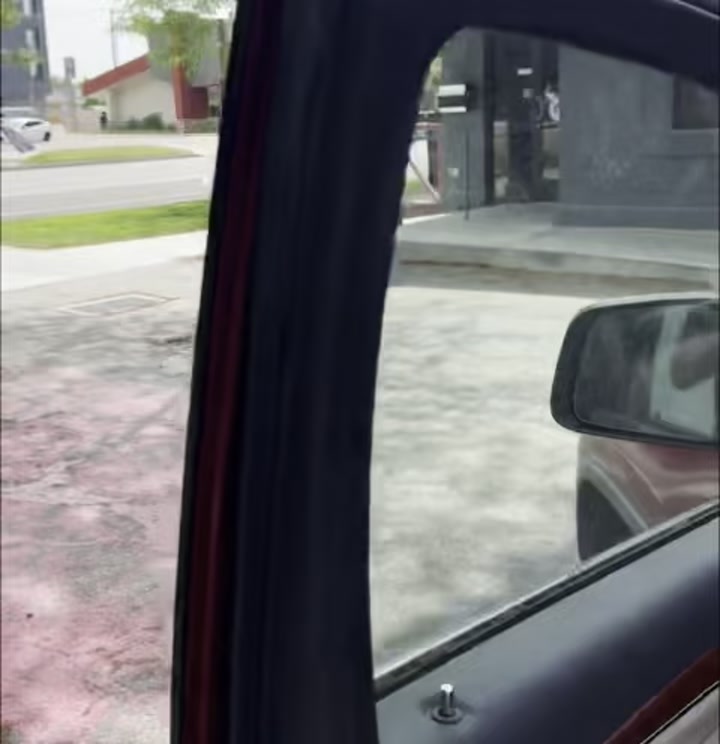
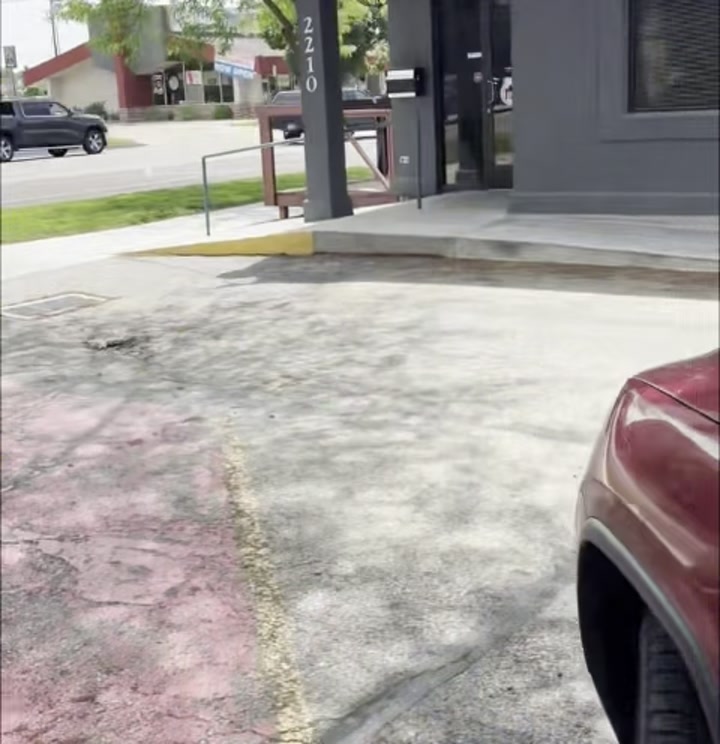
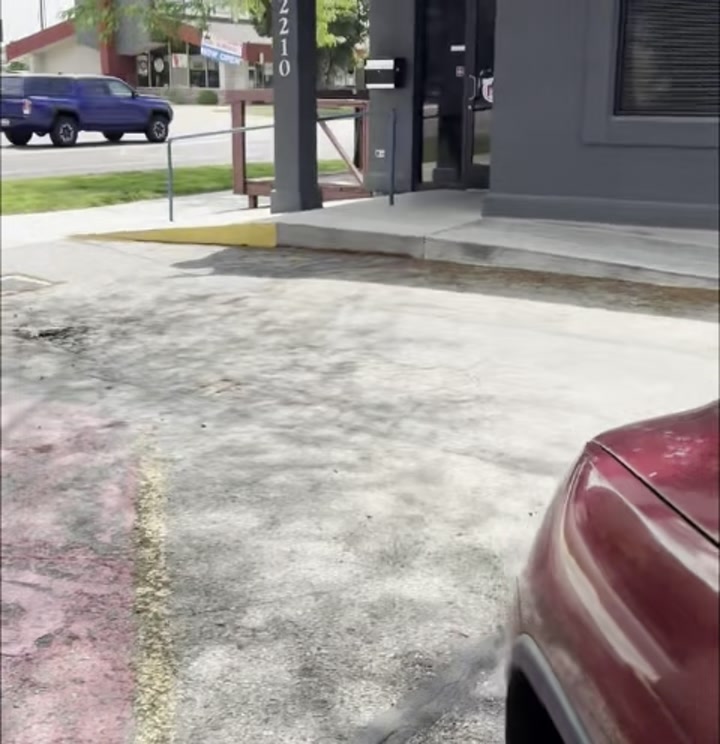
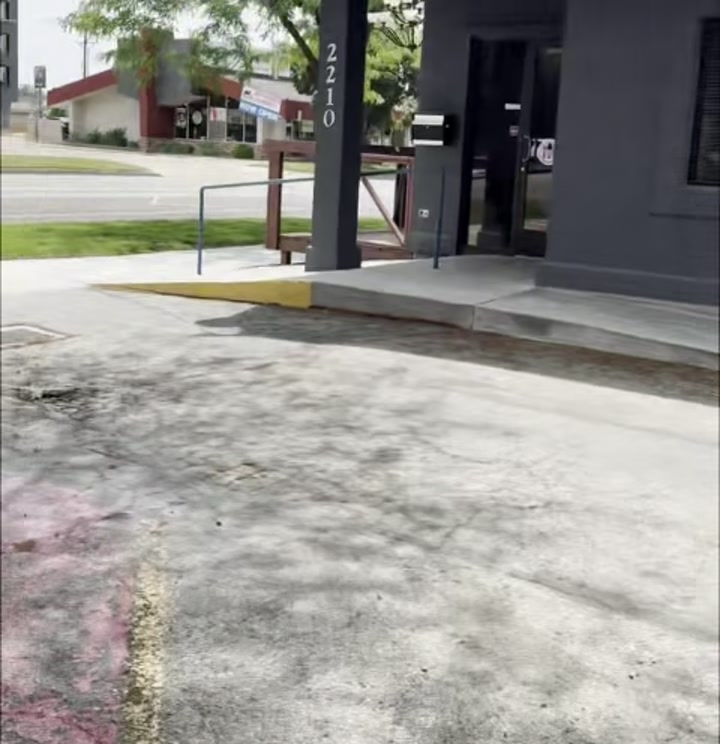
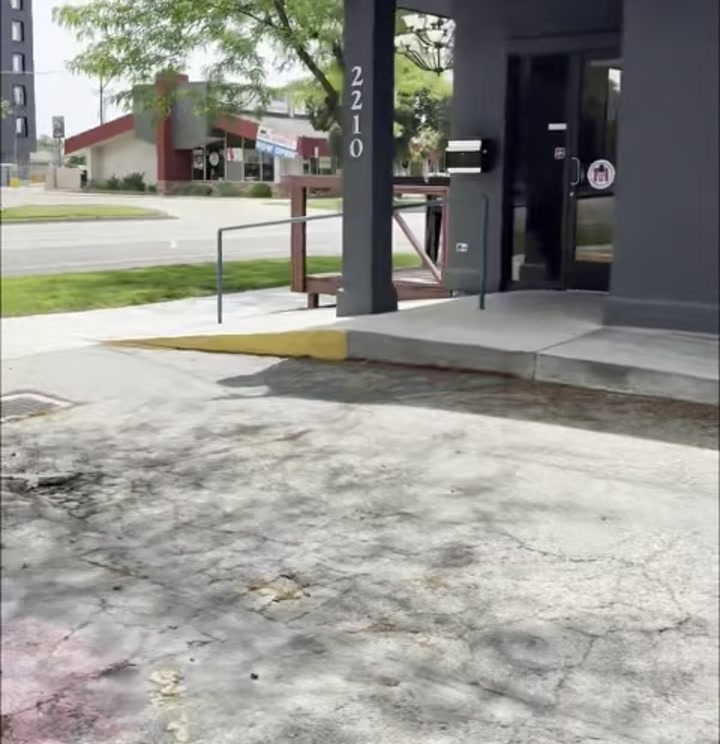
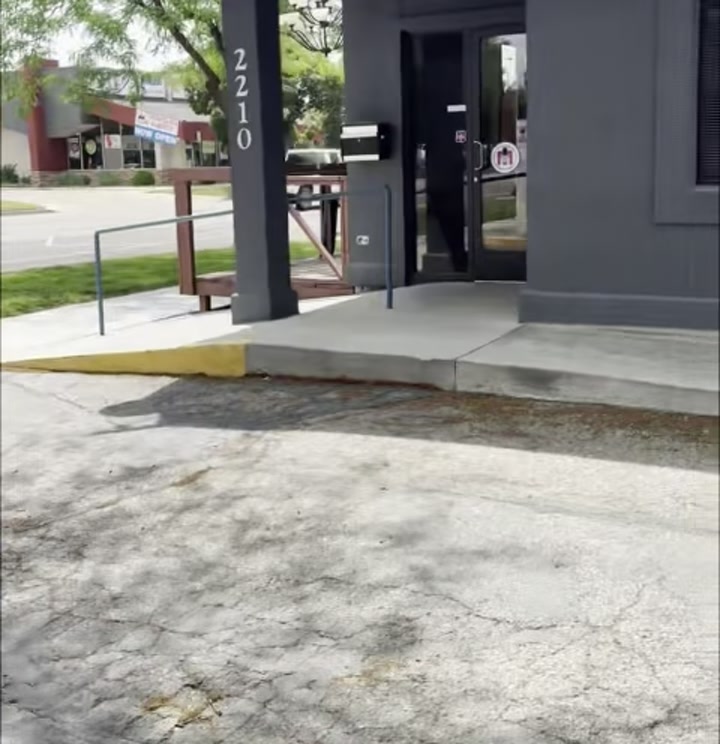
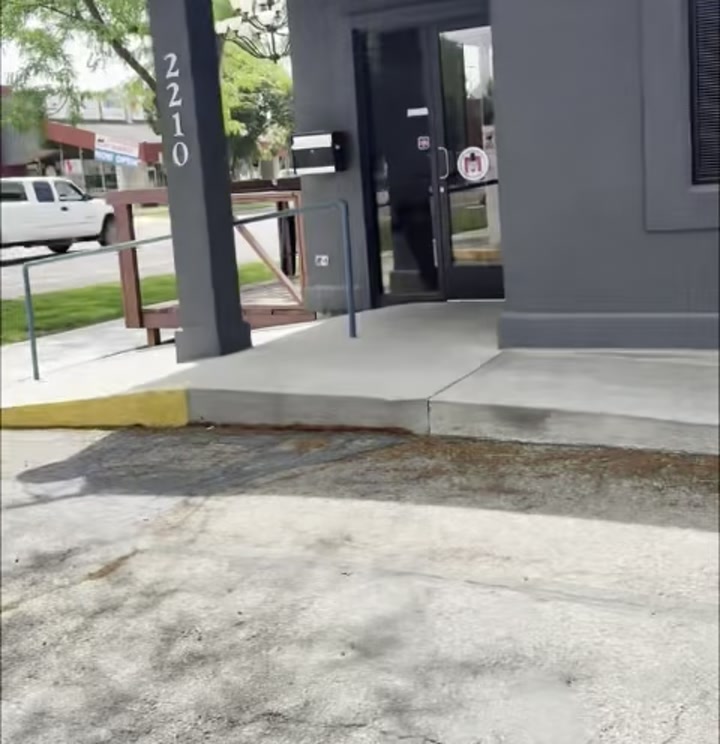
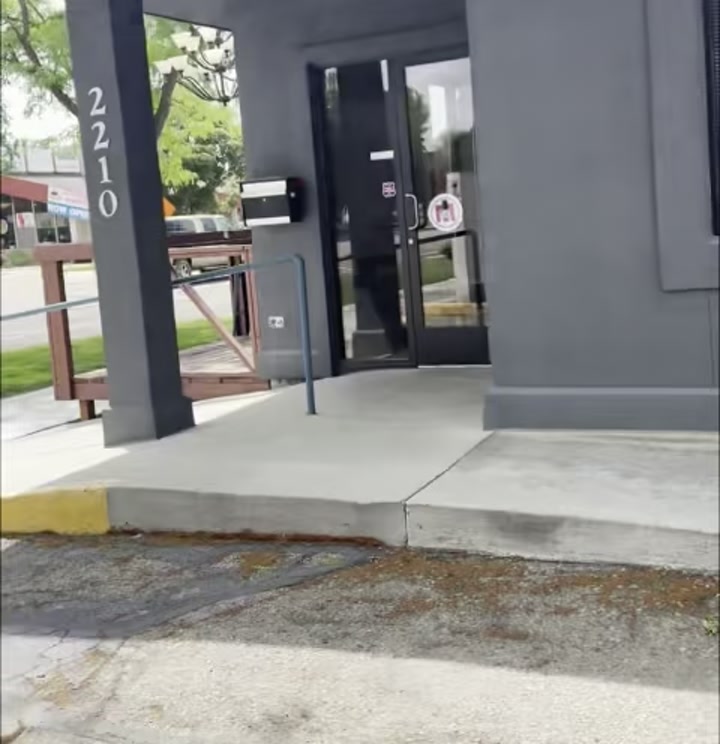
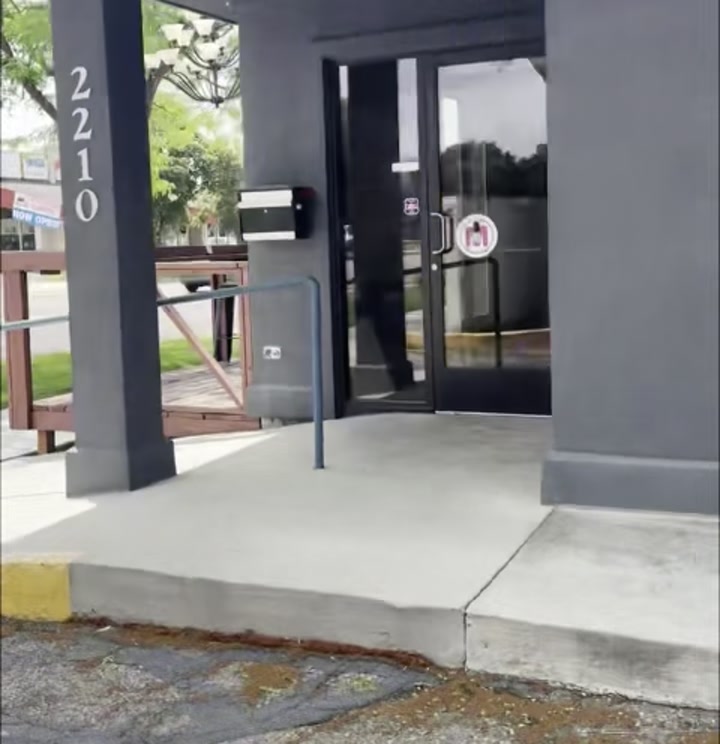
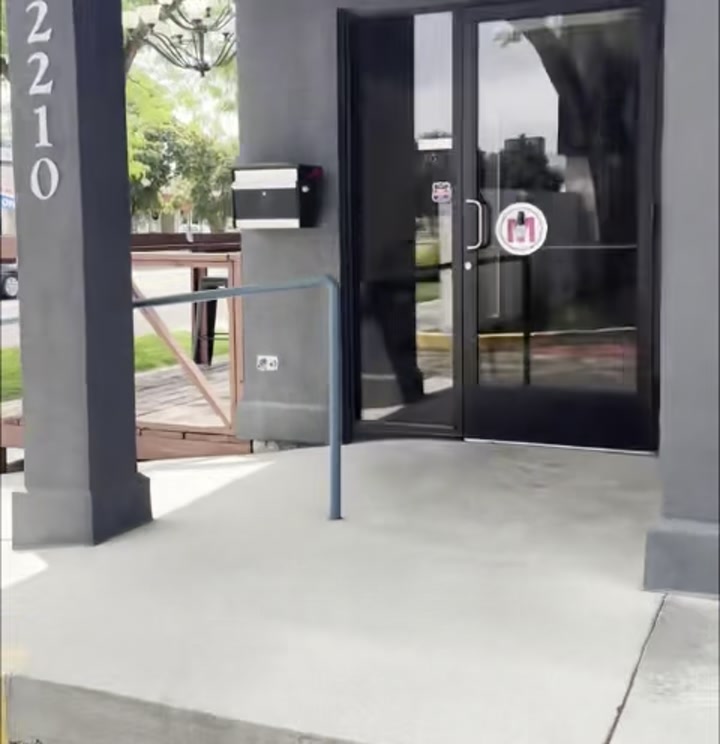
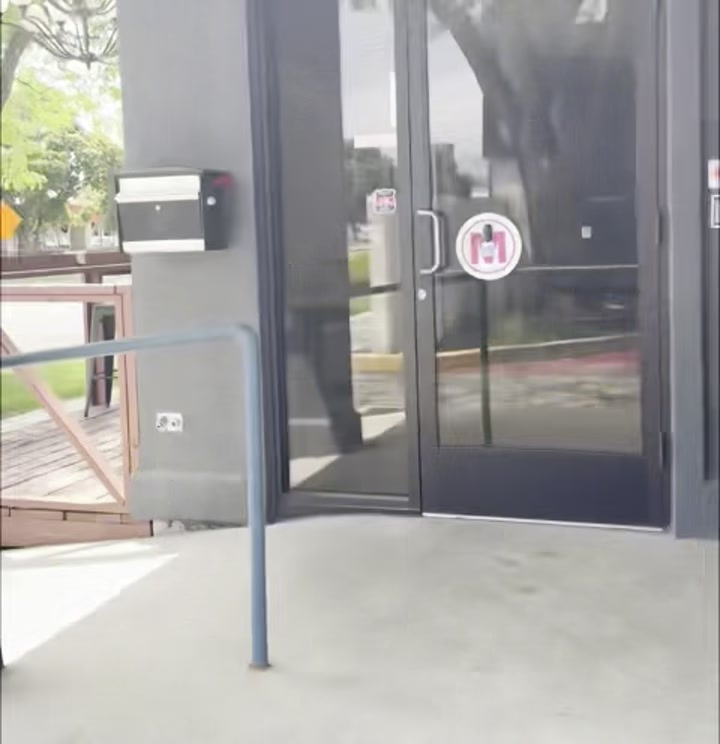
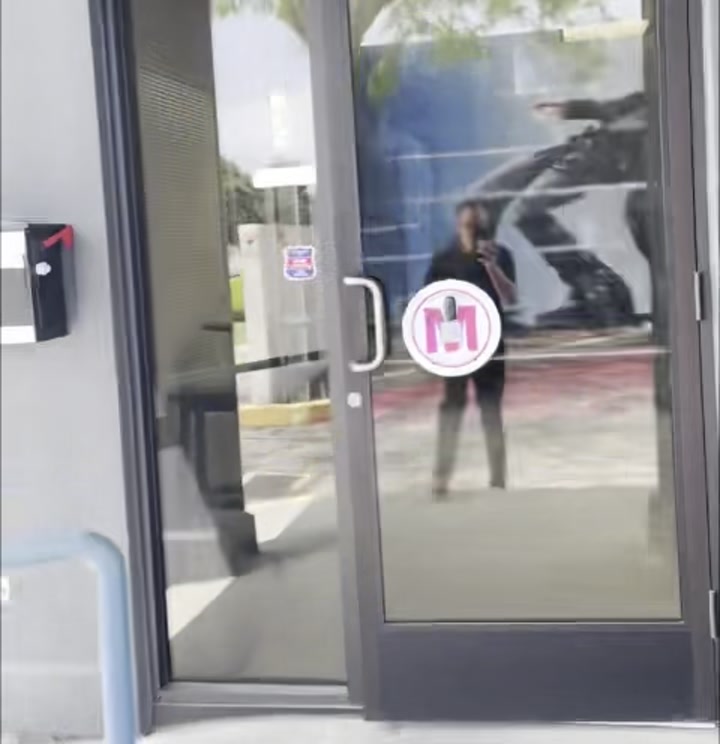
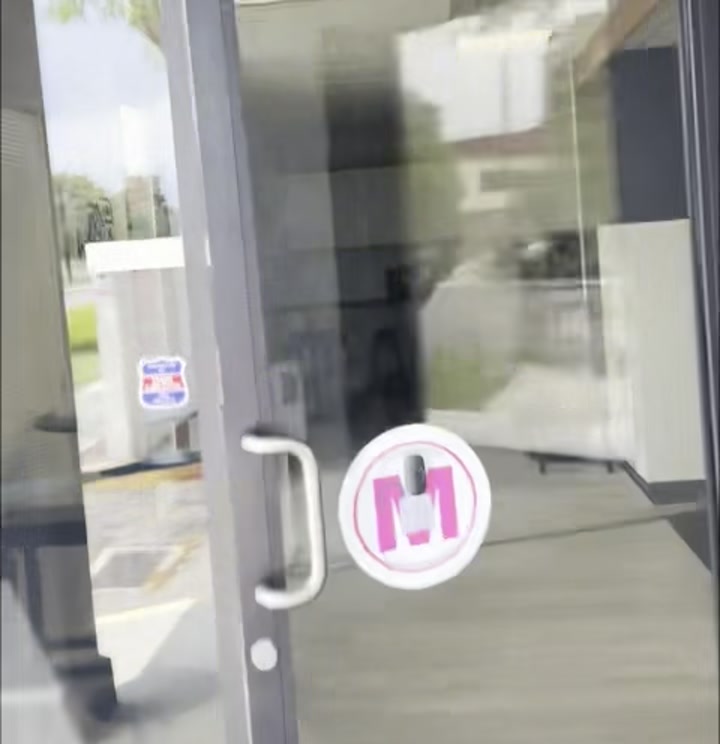
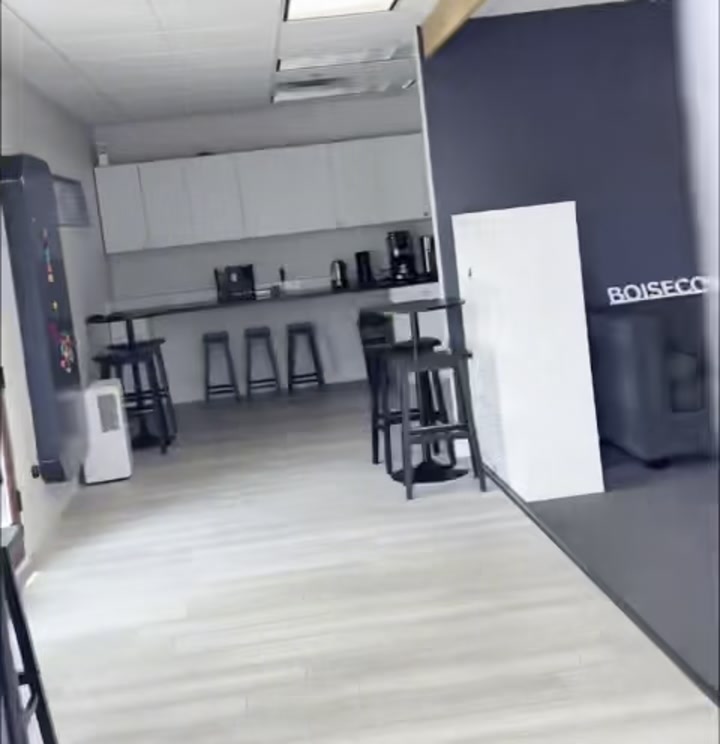
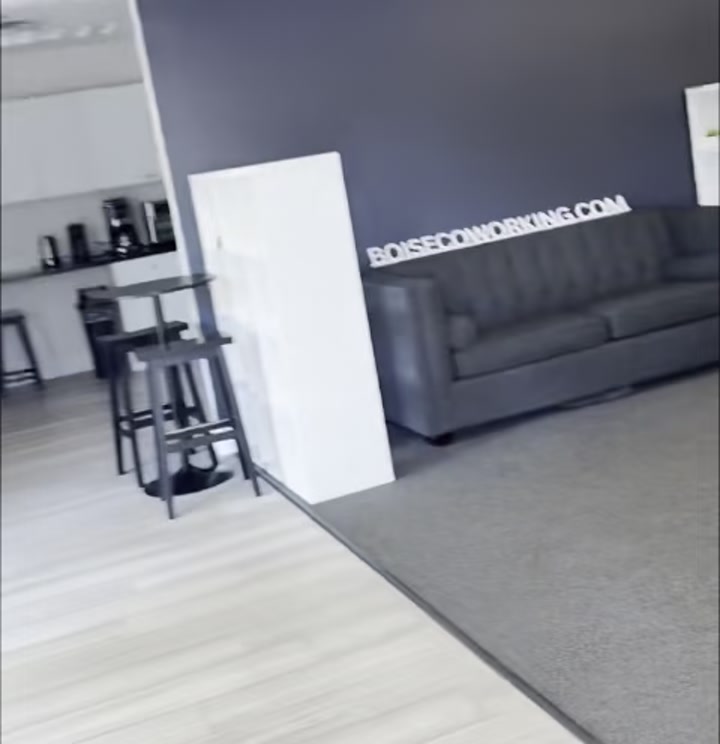
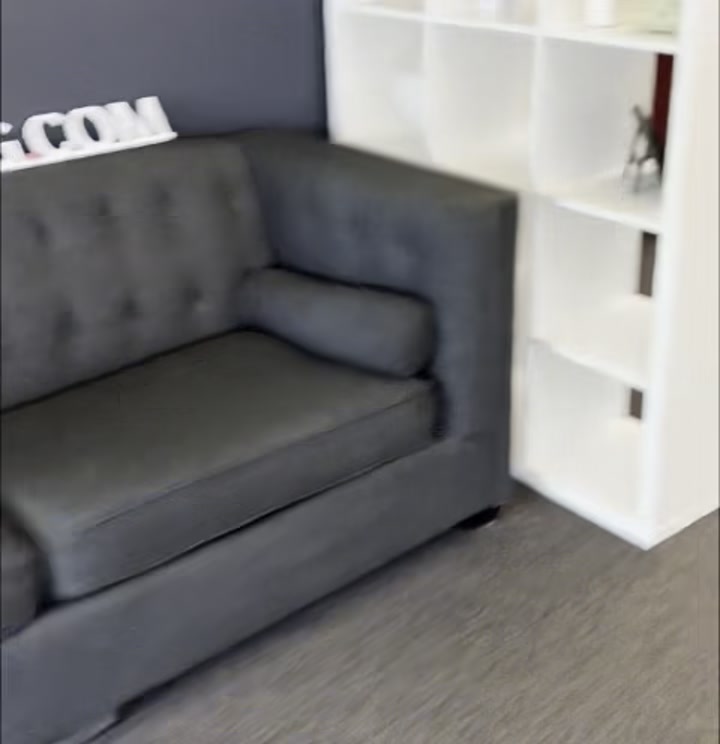
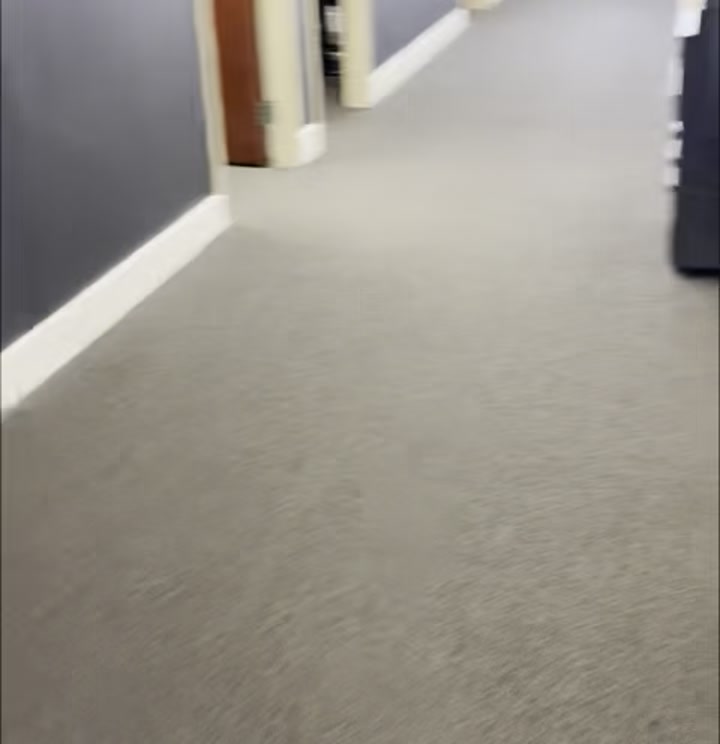
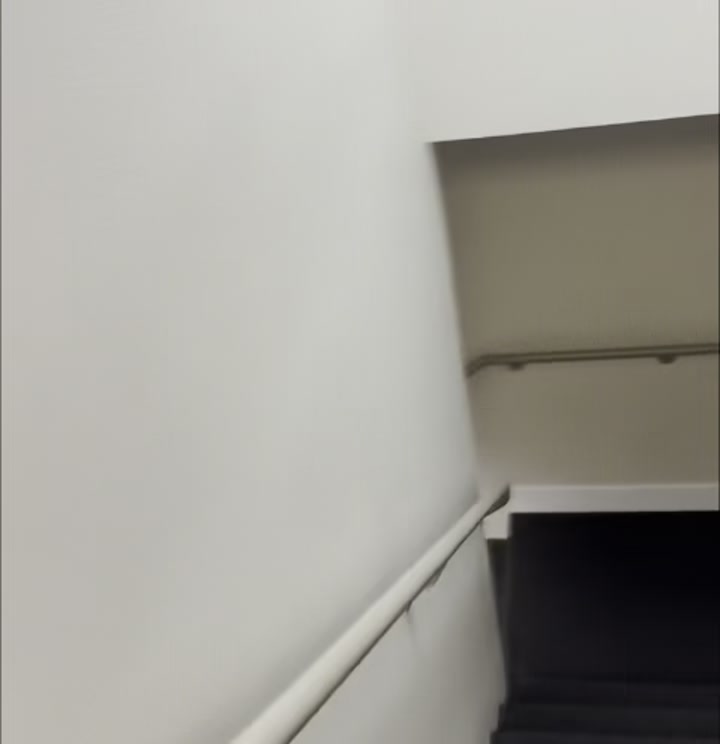
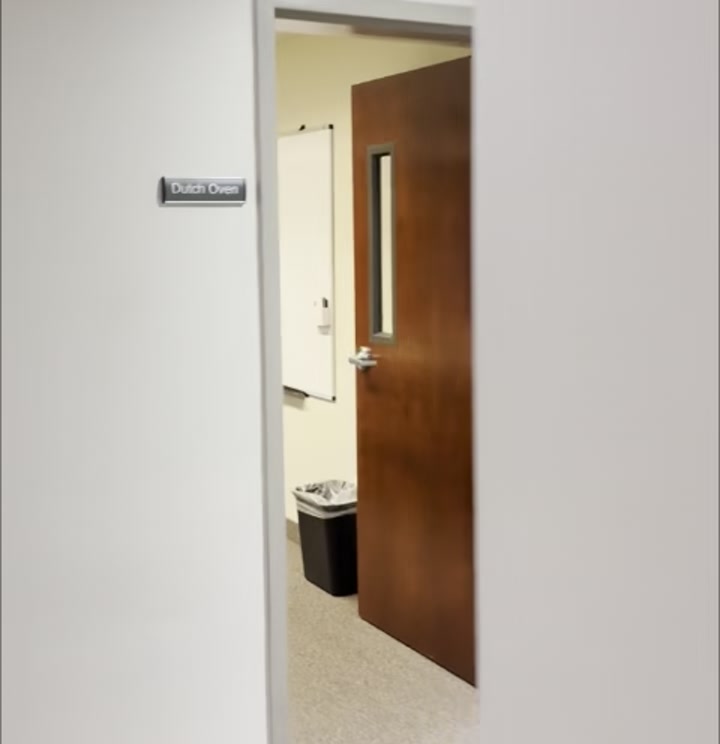
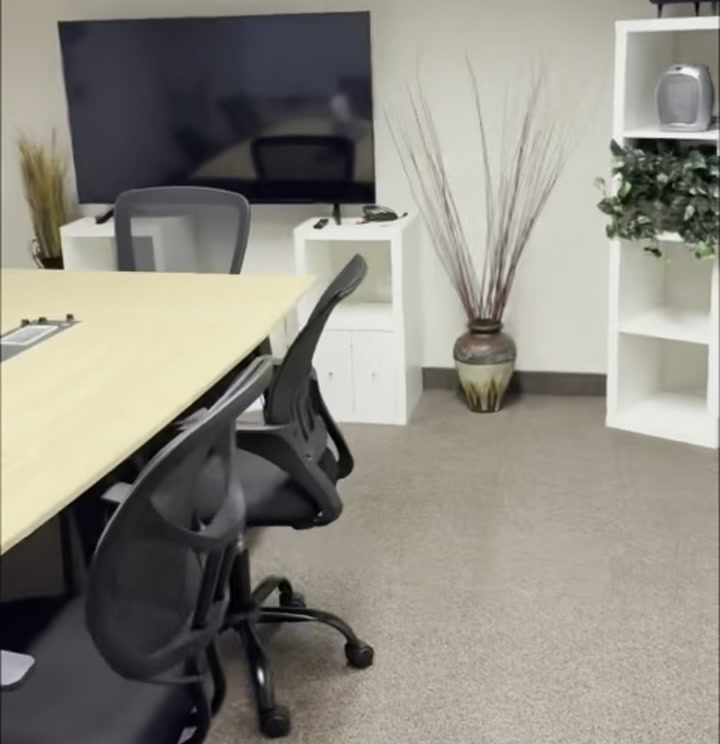
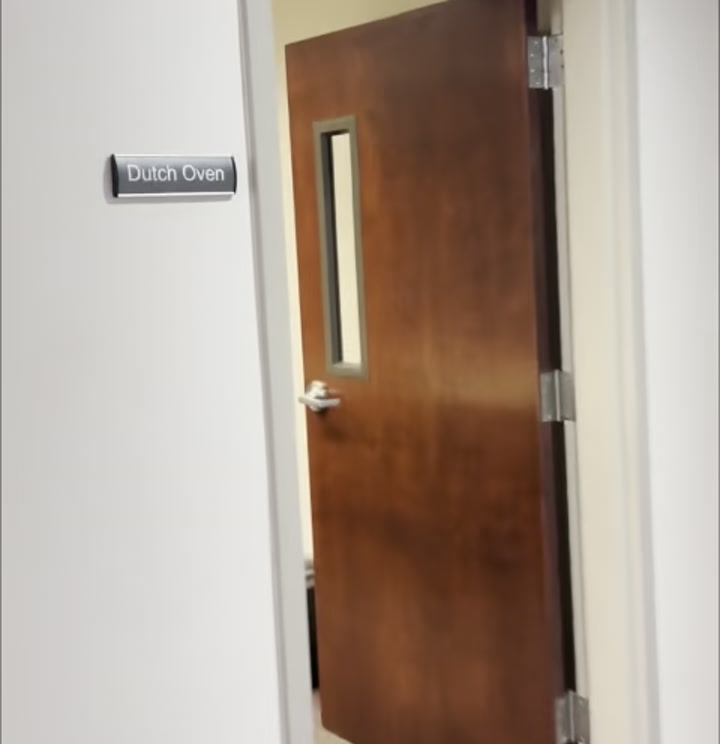
A board meeting is not one person walking in. It can be six. A volunteer treasurer who left work early. A board chair sandwiching the meeting between two other commitments. A new member showing up for the first time, not sure where to park. A donor who agreed to a 30-minute introduction and has to be back across town by 10.
Every one of them is solving the same parking and entry problem in parallel. The time you save them is not your time. It is theirs. When people are showing up for your meeting, the least you can do is not spend the first fifteen minutes of it on texts about where the elevator is and which garage level had open spaces.
That is the part of "time to room" that scales. It is not how fast you can get in. It is how little of your guests' time you spend asking them to figure out arrival.
We will say upfront that we are about to nerd out, and we will also say upfront that we are not trying to oversell this. A four-minute parking delay is not a catastrophe. But four minutes is the moderate case, and it is worth knowing what the math looks like once you stack it.
Then there is the cost we usually do not count. Someone always pads their schedule to absorb parking variance. If two board members arrive 10 minutes early to be safe, and the meeting starts on time, that is another 20 person-minutes of waiting per meeting. Multiply that across the year and you are at roughly four more hours quietly absorbed by the people who showed up early so they would not be late.
None of these numbers are catastrophic on their own. We are not claiming a four-minute delay is going to sink your board. We are saying it is real time, it belongs to the people showing up for your meeting, and a workspace that respects that is doing one small thing right.
Walk-in time is not the headline feature of a workspace. It is one of those things you stop noticing when it is good and feel constantly when it is bad. A few reasons it ends up mattering more than we expect:
Roughly. The walk does not have variables like elevators or busy lobby traffic. The one consistent step is the front-door unlock. Members and invited guests scan a small QR code with their phone, tap to unlock, and walk through. About two seconds. The biggest difference between visits is which parking spot you take and whether you stop to chat in the lobby.
The Dutch Oven Conference Room is on the lower level at 2210 W. Main St., Boise. The walk from the surface parking lot goes through the front lobby, down one flight of stairs, and along the basement hallway.
Call us at 208.896.2210 before you book. We coordinate accessible space arrangements when the Dutch Oven is not workable.
No. We have a surface lot with 13 spots immediately adjacent to the building entrance, plus free street parking a short walk away. No garage, no elevator. The only access step between the car and the room is a quick phone scan at the front door (or face recognition if you are registered for it).
No key, no badge, no fob. We use a phone-based access system. Members get a permanent link in their account. Invited guests receive a one-time access link by text the day of their visit. At the door, scan the small QR code with your phone, tap unlock on your screen, and the door releases. About two seconds. The video above shows the walk after the door is open. The unlock itself happens just before you reach for the handle.
Same flow. When you (the host) add a guest to a meeting, they get a text with their personal access link before they arrive. They scan and unlock the same way members do. We have walked countless first-time visitors through the door without anyone needing to come up and let them in.
Call 208.896.2210. Someone on our team can let you in. The door-to-room walk is the same once you are inside.
Yes. We offer face recognition for members and guests who are in regularly. Register once. It takes about a minute. After that, the always-on screen at the entrance recognizes you and unlocks the door without a phone or scan at all. Smile, walk through. If you would benefit from that, talk to us about getting registered.
Yes. Every entry is logged. Access links are scoped to the people you actually invite, only during the time window of their visit. Members have ongoing access. The entrance is not open to the public, which is part of why a guest cannot just walk in without an invite.
Yes. Use the Download MP4 or Download GIF buttons above to save the file, or the Share buttons to send the page link directly.
Because "less than a minute" is easy to say and hard to picture, and because we think your time matters. The walk, the frame-by-frame, the timer overlay, the second-by-second strip. They all exist because we take productivity seriously, and the small frictions of getting into a space are where productivity quietly leaks out. If you would rather just watch the walk without the timer or the frames, the toggle and the page layout let you do that too.
The Dutch Oven is our primary conference room and the route we use most. Other rooms have similar walk times from the same parking lot. The layout of the building does not change much.
Schedule a tour at /schedule-tour, or if you are an Idaho nonprofit, claim a free 2-hour board meeting at /schedule-nonprofit-board-meeting. You will time the walk yourself.
Most of the math above lands hardest on volunteer boards. A board meeting is six people showing up after work, often from across the valley, often after a full day of something else. A workspace that hands them a clear arrival, a known parking spot, and a fast unlock is a workspace that respects the gift of their time.
We built a page that lays out how we think about this for nonprofits specifically: rooms, addresses, packages, and the kind of consistency a board can plan around. Take a look at the nonprofits page.
We offer a complimentary 2-hour board meeting to any Idaho nonprofit. Bring your board, time the walk together, and see what they think of the space. No purchase, no pressure.
Reserve your free board meeting